
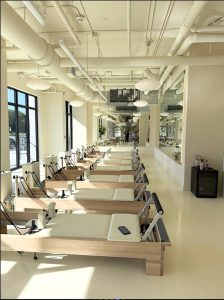
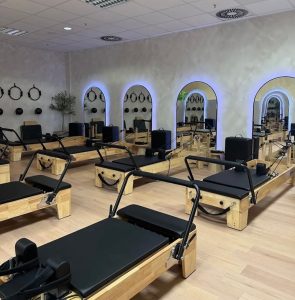
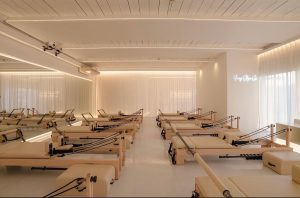
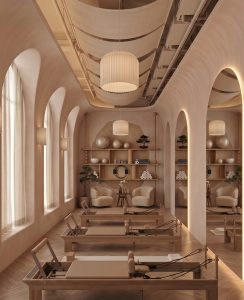
Alors que le Pilates ne cesse de gagner en popularité, de plus en plus de personnes envisagent d'intégrer un entraînement de niveau professionnel chez elles. Le Reformer, souvent considéré comme la pièce maîtresse de l'équipement de Pilates, est de plus en plus présent non seulement dans les studios, mais aussi à domicile. Cet intérêt croissant soulève une question récurrente : est-ce que l'investissement dans un Reformer en vaut vraiment la peine ? Dans cet article, nous allons examiner les facteurs clés qui vous aideront à déterminer si cet investissement est adapté à vos besoins.
Demandez une consultation gratuite
Nous répondrons rapidement à vos demandes :)
Ce qu'offre réellement un Reformer de Pilates
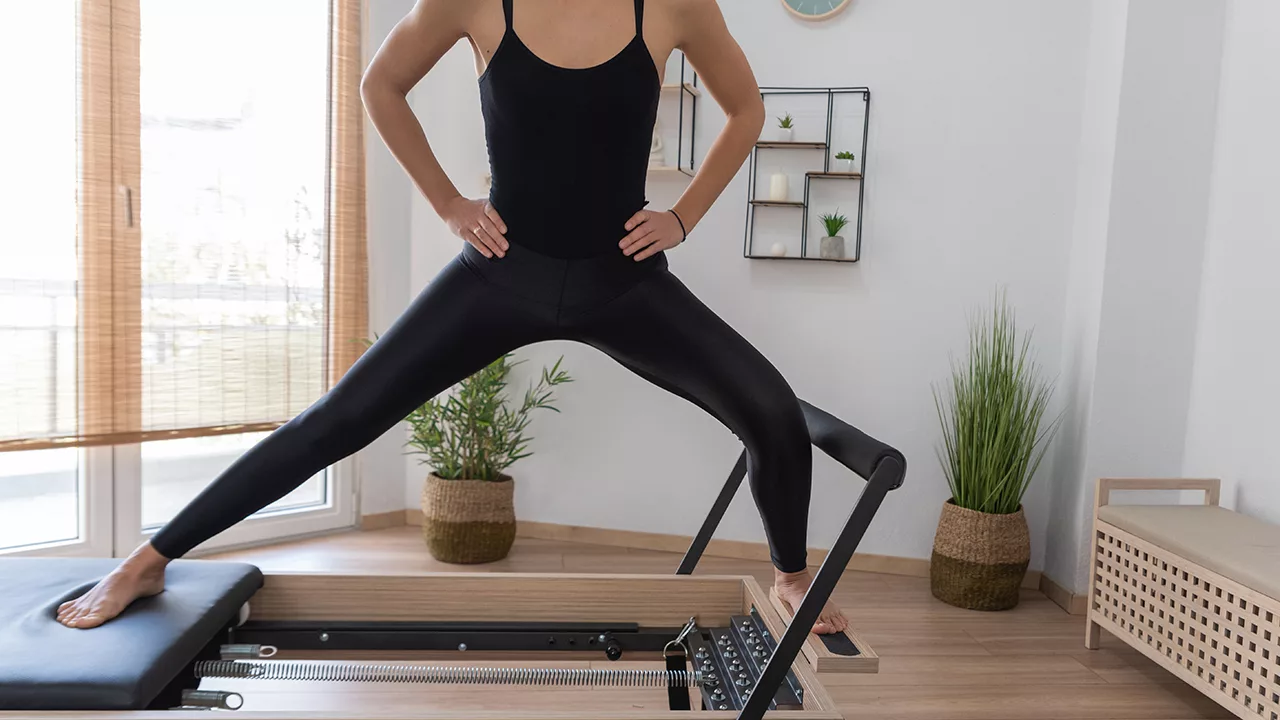
Parmi tous Matériel de Pilates, le radiateur est souvent considéré comme l'élément central tant de la maison que de studio entraînement. Pourtant, son intérêt va bien au-delà de son apparence ou de sa structure de base. Pour bien comprendre pourquoi il est si largement utilisé, il est important d’examiner ce qu’il apporte réellement à la pratique : comment il facilite les mouvements, sollicite le corps et élargit l’éventail des exercices possibles.
Entraînement complet du corps avec résistance contrôlée
Le matériel de Pilates est conçu pour offrir une résistance contrôlée grâce à ressorts et une tension réglable, permettant des mouvements fluides et précis qui sollicitent l'ensemble du corps. Ce système de résistance favorise à la fois l'entraînement de force et de souplesse, aidant les utilisateurs à activer les muscles du tronc, à améliorer leur stabilité et à maintenir un bon alignement tout au long de chaque exercice. En ajustant les niveaux de résistance, l'équipement s'adapte à différents niveaux de compétence et objectifs d'entraînement, ce qui le rend idéal pour des séances d'entraînement progressives et complètes, aussi bien à domicile qu'en salle.
Un meilleur soutien par rapport au Pilates au sol
Par rapport à exercices au sol, De plus, les appareils de Pilates offrent un soutien supplémentaire grâce à des ressorts, des sangles et des éléments réglables, ce qui aide à guider les mouvements et à maintenir un bon alignement. Ce soutien supplémentaire permet de réduire la pression sur les articulations tout en permettant aux utilisateurs d'effectuer les exercices avec plus de contrôle et de stabilité. Il rend également certains mouvements plus accessibles, en particulier pour les débutants ou ceux qui se concentrent sur la technique, tout en permettant de relever des défis de plus en plus difficiles à mesure que la force et la coordination s'améliorent.
Polyvalence adaptée à tous les niveaux de forme physique
Les appareils de Pilates offrent une grande polyvalence, permettant ainsi aux utilisateurs de tous niveaux de s'entraîner efficacement. Grâce à sa résistance réglable, à ses composants mobiles et à ses nombreuses options d'exercices, il est possible d'adapter l'intensité, l'amplitude des mouvements et le soutien en fonction des besoins de chacun. Les débutants peuvent se concentrer sur des mouvements contrôlés et assistés, tandis que les utilisateurs plus avancés peuvent augmenter la résistance et la complexité pour relever des défis plus importants, ce qui rend cet équipement idéal pour un entraînement progressif et à long terme.
Demandez une consultation gratuite
Nous répondrons rapidement à vos demandes :)
Qui tire le plus grand bénéfice de l'acquisition d'un Reformer ?
Tous les pratiquants de Pilates n'abordent pas l'entraînement avec les mêmes objectifs ou besoins. Certains se concentrent sur le renforcement musculaire et le contrôle, tandis que d'autres privilégient la souplesse, la rééducation ou la régularité à long terme. C'est pourquoi l'intérêt de posséder un Reformer peut varier en fonction de la place qu'il occupe dans la routine d'un individu ou dans l'offre d'un studio. En identifiant les personnes qui en tirent le plus grand bénéfice, on peut déterminer plus clairement quand l'investissement dans un reformer devient non seulement utile, mais aussi vraiment rentable.
Les amateurs de fitness à domicile
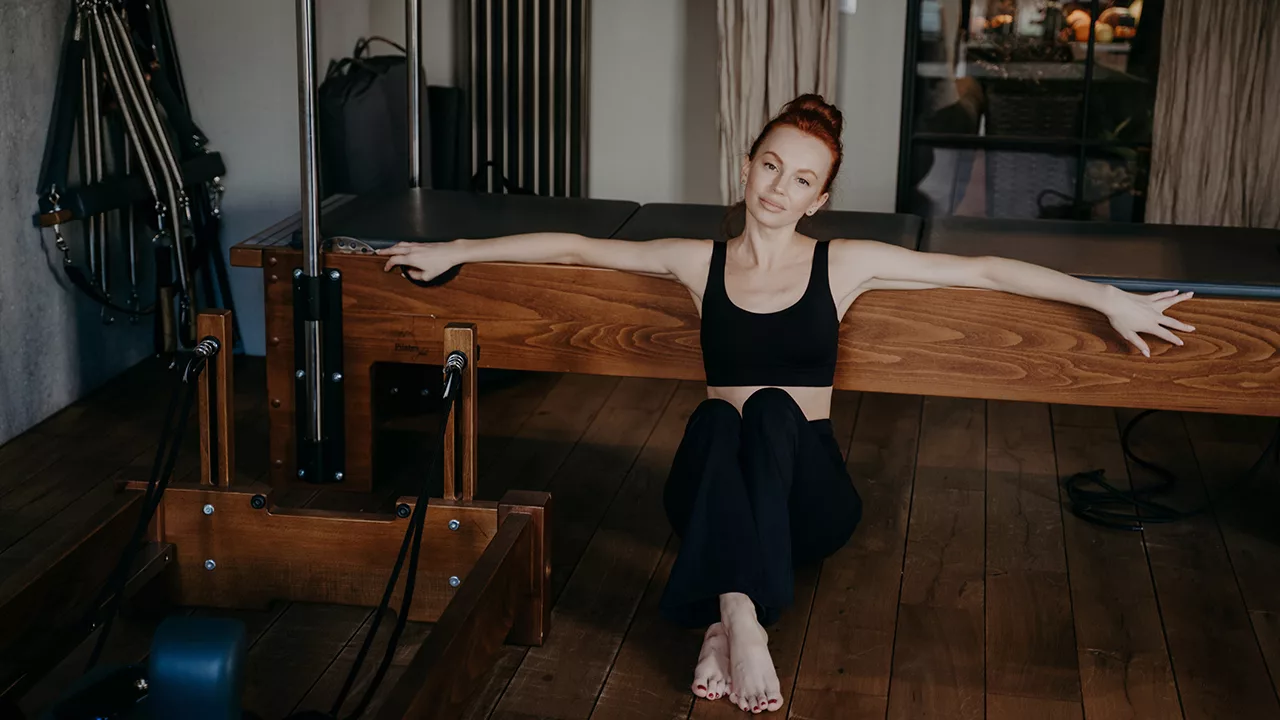
Pour les adeptes du fitness à domicile, posséder un Reformer constitue un moyen pratique et régulier de maintenir un programme d'entraînement structuré. Il permet aux utilisateurs d'effectuer une grande variété d'exercices chez eux, favorisant ainsi un entraînement complet du corps sans dépendre des horaires des salles de sport. La résistance réglable et les mouvements guidés le rendent adapté à différents niveaux de forme physique, tandis que la possibilité de s'entraîner à tout moment contribue à améliorer la régularité à long terme et l'efficacité globale de l'entraînement.
Personnes ayant besoin de rééducation
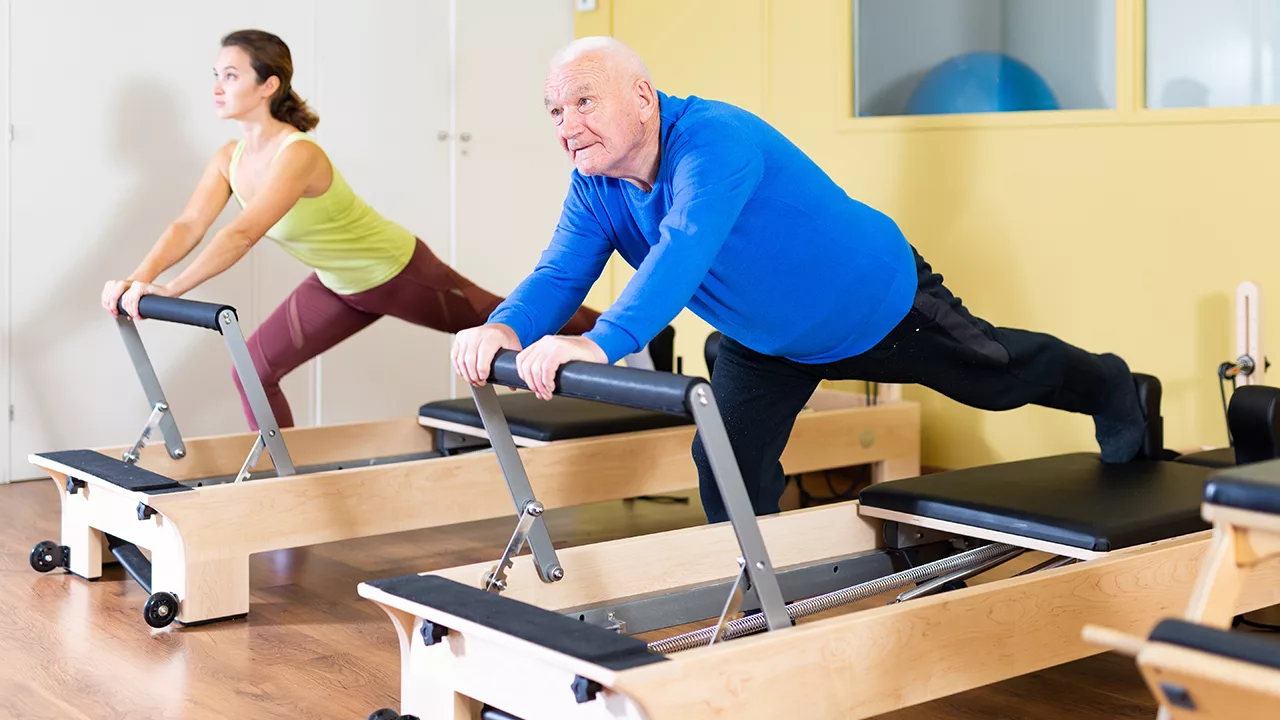
Pour les personnes ayant besoin d'une rééducation, les appareils de Pilates permettent d'effectuer des mouvements contrôlés et à faible impact qui favorisent la récupération et le renforcement progressif de la musculature. Le système à ressorts système de résistance permet d'ajuster avec précision l'intensité des exercices, aidant ainsi les utilisateurs à évoluer dans une amplitude de mouvement sûre et maîtrisée. Cela permet d'améliorer la mobilité, la stabilité et l'activation musculaire tout en minimisant les contraintes inutiles sur les articulations. Sous la supervision d'un professionnel, l'entraînement sur Reformer peut constituer un outil efficace pour des programmes de rééducation structurés et progressifs.
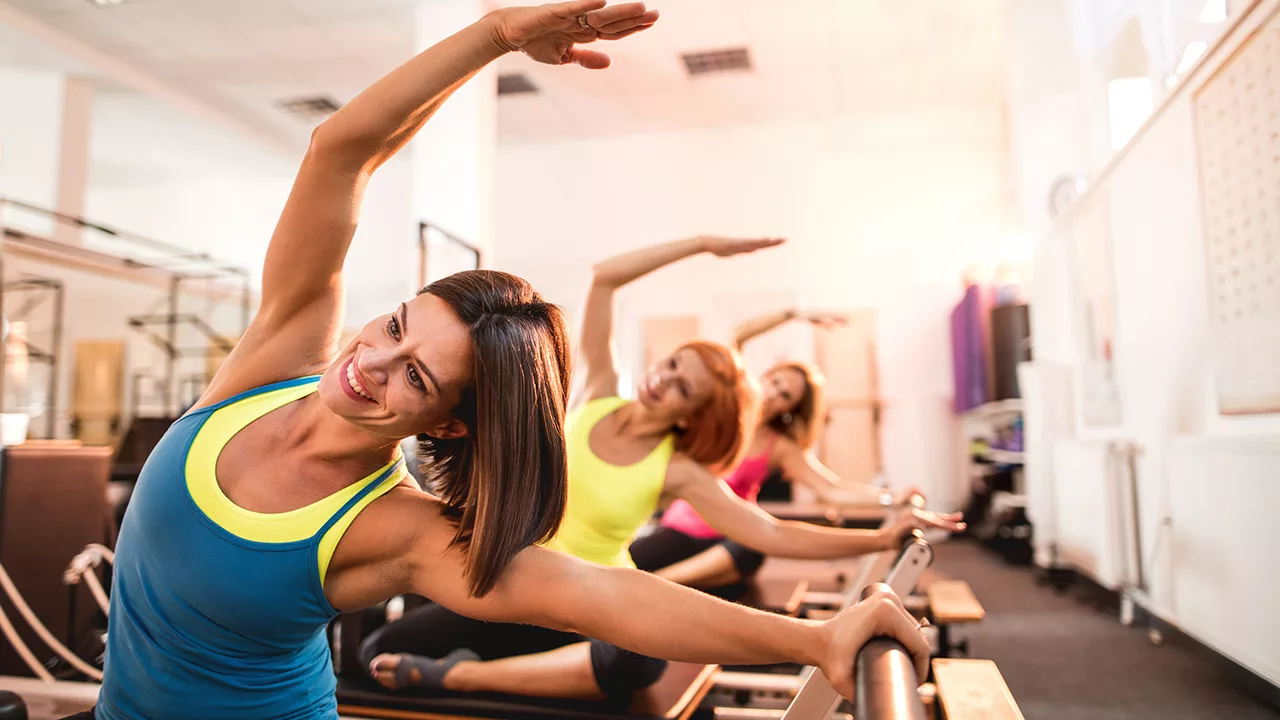
Clients réguliers des studios souhaitant réduire leurs coûts à long terme
Pour les habitués des studios qui s'entraînent régulièrement, l'acquisition d'un Reformer peut constituer une alternative économique à long terme par rapport aux frais d'inscription aux cours. Au lieu de payer à chaque séance, les utilisateurs peuvent investir une seule fois dans l'équipement et maintenir un programme d'entraînement régulier chez eux. Cela leur offre une plus grande flexibilité dans l'organisation de leur emploi du temps tout en favorisant des progrès continus. À terme, les utilisateurs assidus peuvent bénéficier d'un coût global de l'entraînement réduit coûts et un plus grand confort d'utilisation, surtout lorsque la régularité de la pratique est une priorité.