
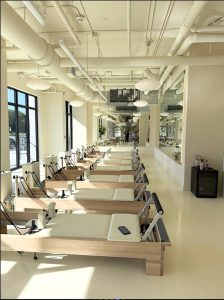
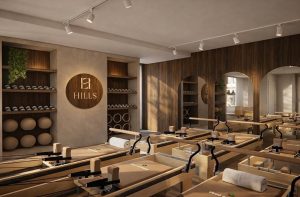
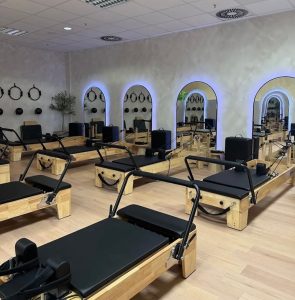
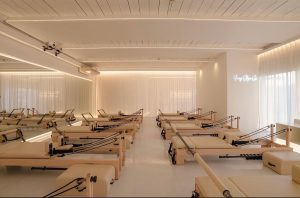
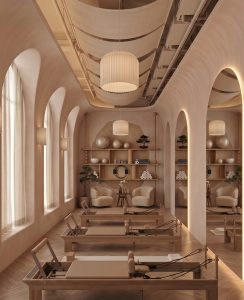
Pilates has grown far beyond traditional studios, reaching homes, gyms, and wellness centers around the world. As interest in this versatile practice continues to rise, the demand for reliable and suitable equipment has expanded accordingly. Whether it’s a compact reformer for home use or a fully-featured setup for a professional studio, understanding the range of available equipment is essential for making smart purchasing decisions. This guide explores the options on the market and offers insight for those looking to invest in high-quality Pilates machines.
Ask For Free Consultations
Let Us Respond Promptly For Your Needs :)
Overview of Pilates Equipment
Pilates practice relies on a variety of equipment designed to support different exercises, target specific muscle groups, and enhance overall flexibility and strength. From the classic reformer to the Cadillac, chair, and barrel, each piece serves a distinct purpose and offers unique benefits. Understanding the range of available equipment is essential for both home users and professional studios, as it helps determine which machines best fit the space, training goals, and budget.
Reformers, Cadillacs, Chairs, Barrels, Mats
Reformers – A versatile sliding-carriage machine that allows adjustable resistance for a wide range of exercises. It is often considered the core apparatus in Pilates studios.
Cadillacs – Large framed machines featuring bars, springs, and suspension options, suitable for more advanced or assisted exercises.
Chairs – Compact, pedal-based apparatus designed to provide adjustable resistance for focused strength and stability work.
Barrels – Curved apparatuses that support stretching, spinal articulation, and core activation.
Mats – Floor-based practice equipment, often complemented with props like bands or small accessories for resistance or support.
Training Styles and Usage Scenarios
- Home Practice – Typically involves reformers and mats for space efficiency, lower cost, and convenience. Equipment is often chosen for compactness and versatility, allowing solo or small-group workouts.
- Professional Studios – A full range of apparatus, including reformers, cadillacs, chairs, and barrels, supports high-frequency sessions, diverse class formats, and multiple clients. Commercial-grade equipment ensures durability and safety.
- Rehabilitation & Physical Therapy – Equipment like cadillacs and barrels is frequently used in clinical or therapeutic settings to aid rehabilitation, postural alignment, and controlled resistance training.
- Group Classes vs Private Sessions – Larger studios may combine reformers and chairs for group classes, while private sessions often leverage the precision and adjustability of reformers and cadillacs to tailor resistance to individual clients.
- Casual vs Dedicated Practitioners – Casual users may focus on mat work or basic reformer exercises at home, whereas dedicated practitioners use a full suite of apparatus for comprehensive, advanced trainin
Ask For Free Consultations
Let Us Respond Promptly For Your Needs :)
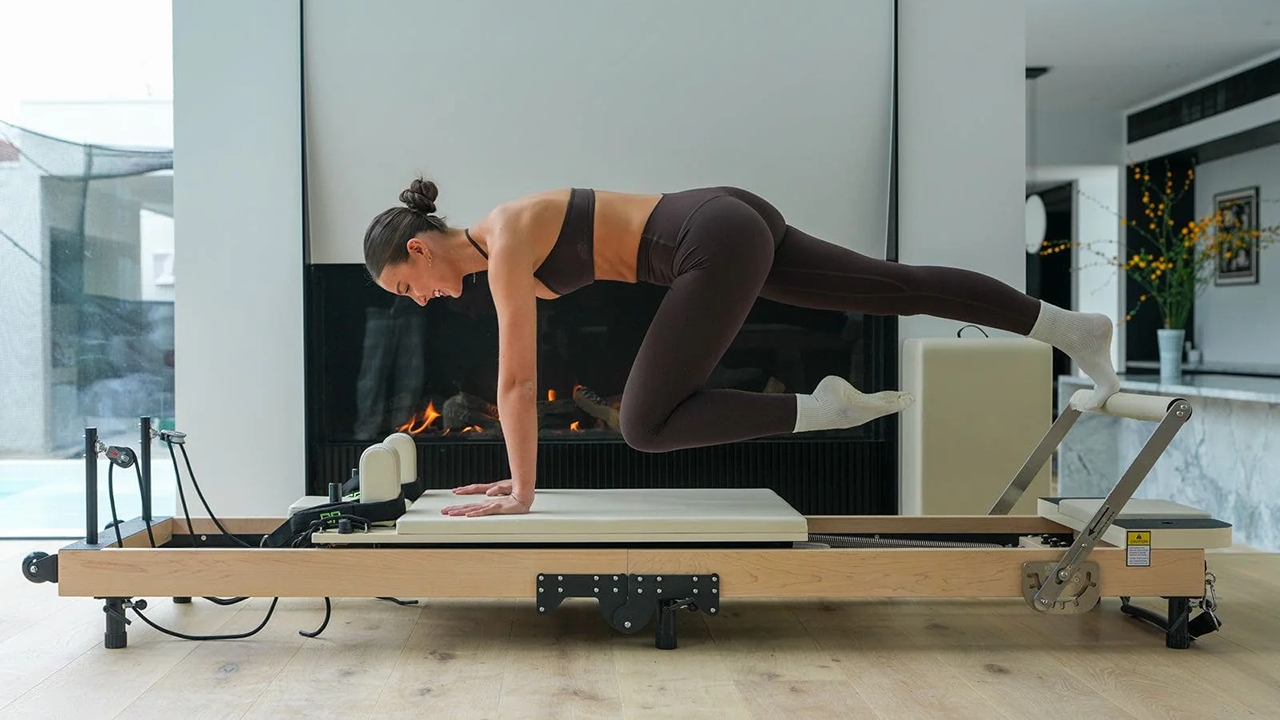
Home Use Pilates Equipment
For those practicing Pilates at home, space, convenience, and versatility are often the top priorities. Home users typically seek equipment that can fit into multi-purpose rooms, be stored easily, and provide a comprehensive workout without the footprint of a full studio setup. Understanding these considerations helps in selecting machines that balance functionality, comfort, and affordability.
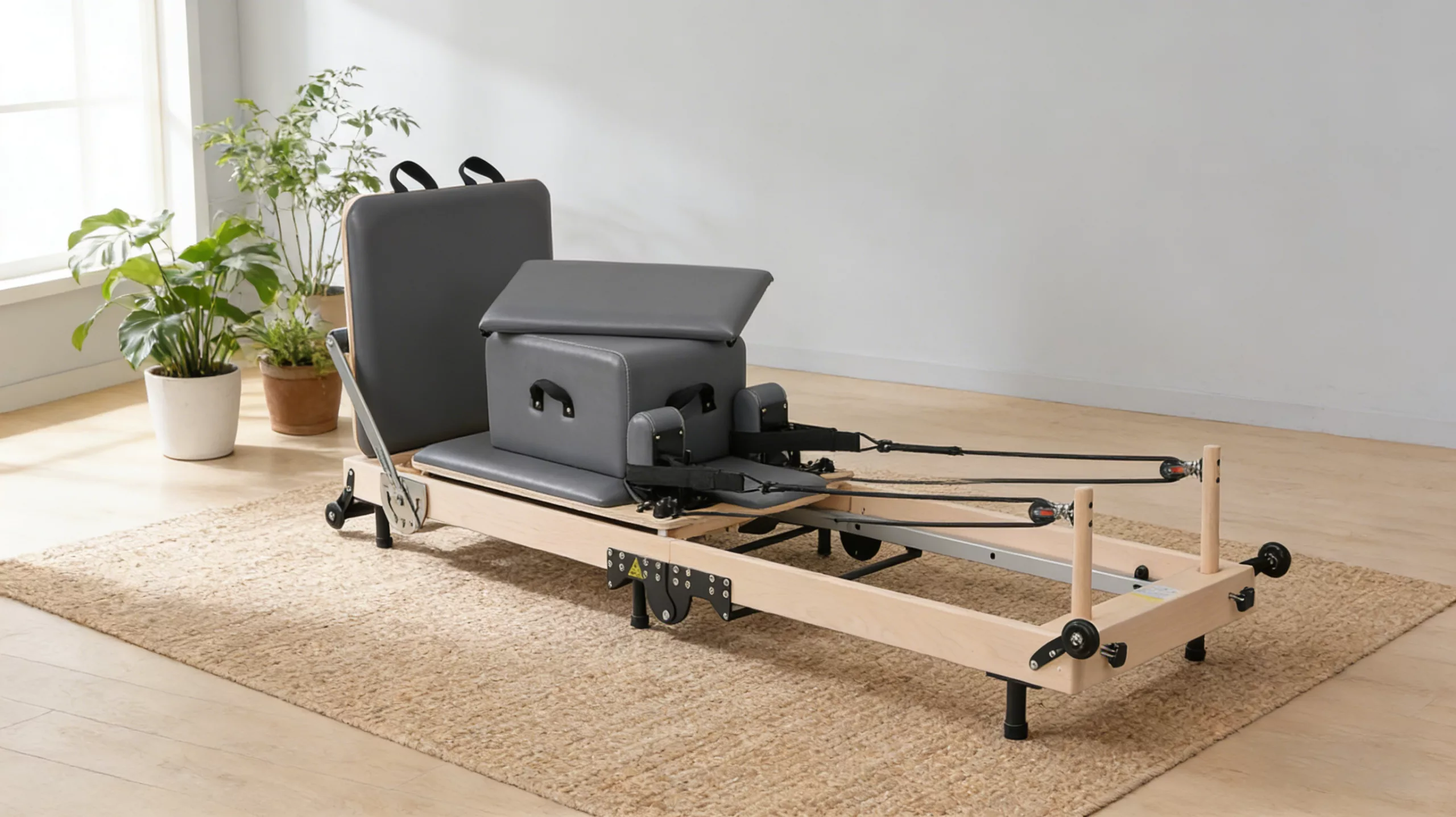
Typical Home Equipment
Home Pilates setups generally focus on versatility, space efficiency, and affordability. While studios may feature a full range of apparatus, most home users select a smaller set of essential equipment:
Reformers – Often the centerpiece of a home gym, chosen for adjustable resistance and multi-functional exercises. Some opt for foldable or compact versions to save space.
Mats – Essential for floor exercises and accessory work; compatible with bands, small balls, or sliders.
Chairs or Small Barrels (Optional) – Some dedicated home practitioners add a Pilates Chair or Barrel for targeted core, balance, and flexibility work.
Props & Accessories – Resistance bands, light weights, stability balls, and sliders expand exercise variety without taking much space.
By prioritizing space-saving, multi-use equipment, home users can achieve a comprehensive Pilates practice without the footprint or expense of a full studio setup.
Advantages and Limitations
When setting up a Pilates practice at home, it’s important to understand both the benefits and constraints of home-focused equipment:
Advantages
Space Efficiency – Compact or foldable reformers and minimal props make it possible to practice in smaller living spaces.
Cost-Effective – Home setups typically require less investment than full studio equipment.
Convenience – Eliminates travel time and allows for flexible scheduling.
Personalized Practice – Users can train at their own pace, focusing on exercises that fit their goals and comfort level.
Low Noise Options – Many home reformers are designed for quieter operation, reducing disturbance in shared living spaces.
Limitations
Reduced Variety – Home setups often include only one or two apparatus types, limiting the full spectrum of exercises available in studios.
Lower Durability – Some compact or foldable equipment may wear faster than commercial-grade machines.
Limited Instructor Guidance – Without professional supervision, users may not always achieve optimal form or progression.
Space Constraints – Even compact machines require some dedicated floor area for safe and effective use.
Potential for Slower Progress – Without a structured class environment, motivation or challenge levels may be lower compared to a studio setting.
Understanding these advantages and limitations helps home practitioners make informed choices about which equipment to invest in, balancing space, cost, and desired training outcomes.
Buying Considerations for Home Users
Ask For Free Consultations
Let Us Respond Promptly For Your Needs :)
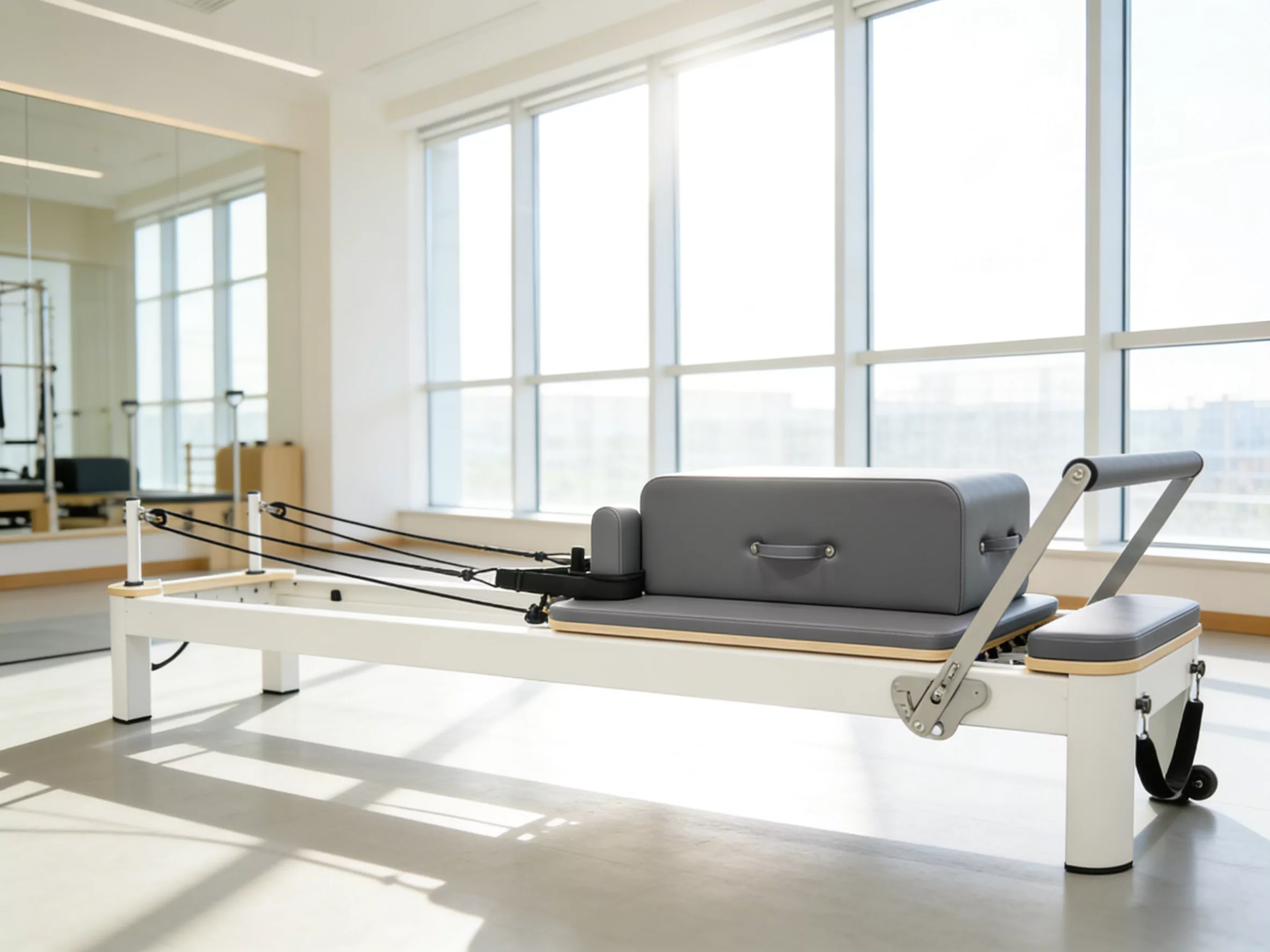
Commercial Use Pilates Equipment
Commercial Pilates studios face unique demands that go beyond what a typical home setup requires. High usage frequency, multiple class sizes, and the need for long-term durability all influence equipment choices. Understanding these commercial requirements helps studio owners select machines that not only deliver effective training experiences but also withstand the wear and tear of daily operations.
Typical Studio Equipment
Commercial Pilates studios typically invest in professional-grade equipment designed for frequent and varied use. These machines are built with durable materials, stable frames, and smooth carriage systems to withstand high client volume. Studios often use a mix of reformers, cadillacs, chairs, barrels, and supportive accessories to provide a full range of exercises suitable for different skill levels and class formats. The focus is on longevity, safety, and versatility, ensuring that equipment can handle continuous daily use while supporting effective, diverse training sessions.
Advantages and Limitations
Typical studio equipment offers high durability, smooth operation, and versatile functionality, making it suitable for a wide range of classes and client skill levels. Its professional-grade construction ensures consistent performance and safety even under heavy daily use. However, these machines tend to be larger, heavier, and more expensive than home-use equipment, requiring adequate studio space and higher upfront investment. Despite these considerations, they remain the preferred choice for studios seeking reliable, long-lasting, and versatile Pilates solutions.